
Animals
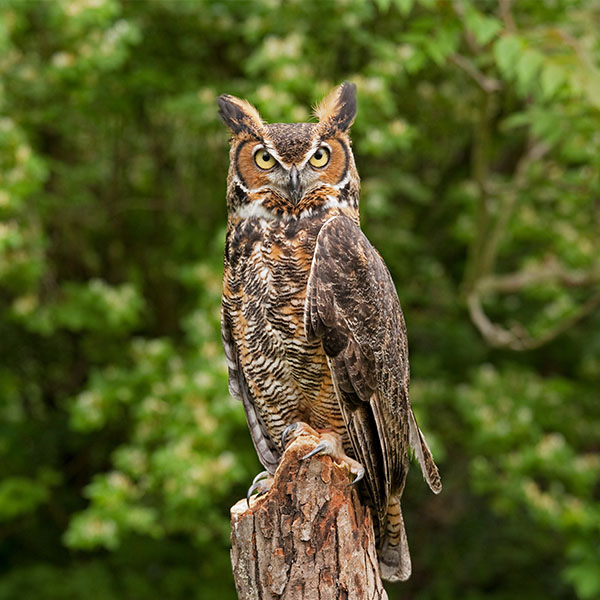
Sníne – Great Horned Owl
Commonly spotted near OLARA and the weeping willow by House 5, the Sníne (Great Horned Owl) is a year-round resident that serves as both a protector of children and a powerful messenger of news, whether good or bad.

Sen7án̓se – Magpie
The Sen7án̓se, or Magpie, is a highly intelligent bird frequently featured in stsptekwll as a clever messenger or social observer. In cultural traditions, the Magpie’s presence is often noted for its awareness, serving as a reminder of the importance of staying alert and connected to the happenings within the community and the natural environment.
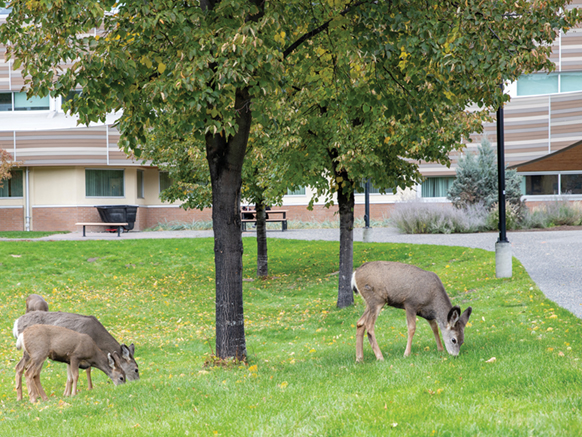
Ts̓i7 – Deer
A family of resident deer are often spotted wandering around campus. As a primary protein source where every part of the animal is utilized, the Ts̓i7 (deer) is an abundant resource that is prominent in stsptekwll (stories). These are more than just stories; they serve as records containing laws, scientific observations, and moral teachings.

S7ége7cen – Crow
In stsptekwll, the S7ége7cen (crow) is a significant figure in stories that convey laws, morals, and ecological knowledge. Its name is notably an onomatopoeia, reflecting the distinct sound of its call.

Tseqwtsq̓wésp – Northern Flicker
The Tseqwtsq̓wésp, or Northern Flicker, is a culturally significant bird. It is featured in stsptekwll to pass down important lessons, while its vibrant feathers and role in the ecosystem make it vital. There is a stsptekwll, where a man owned a beautiful red robe that all the birds admired and wanted. One by one, they came to him and received a piece of the robe. Because of this, many birds gained their red markings. The Northern Flicker received a red patch on its cheek, while the woodpecker was given a piece that became its red crown. The ending “ésp” means back of the neck.
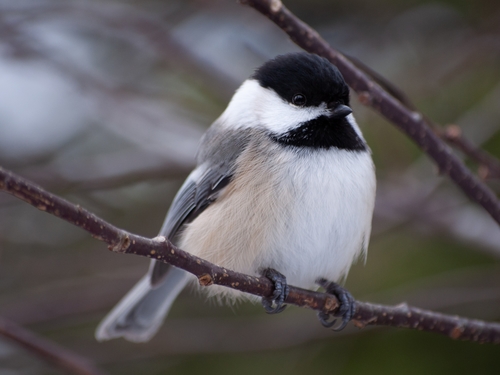
Ts̓kíkse7 -Black Capped Chickadee
The Ts̓kíkse7, or Black-capped Chickadee, is a small but culturally significant bird known for its distinct call that mimics its given name. In stsptekwll, the Chickadee is often portrayed as a brave and observant figure, using its voice to alert other animals to changes in the environment or the presence of intruders. It is also a term of endearment for little girls based on what it says, “little sister.”
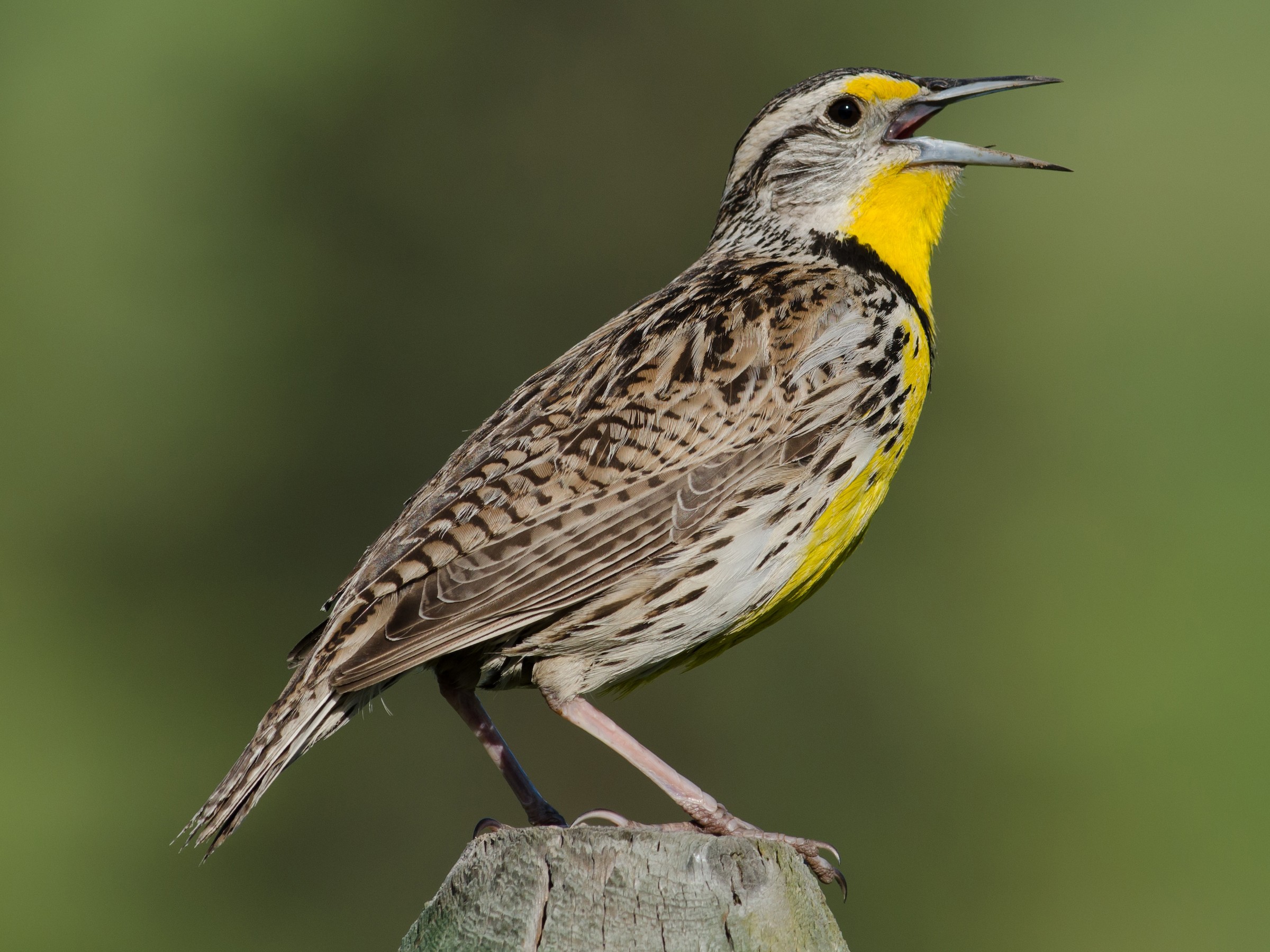
Cucwlé7 – Western Meadowlark
The Cucwlé7 (Western Meadowlark) is known for it’s song. In Secwépemc knowledge, its call is understood as “don’t waste my biscuit,” which signals that it is time to harvest biscuitroot, an important traditional food plant. This reflects a deep connection to the land, where the bird’s seasonal song acts as a natural indicator for harvesting.
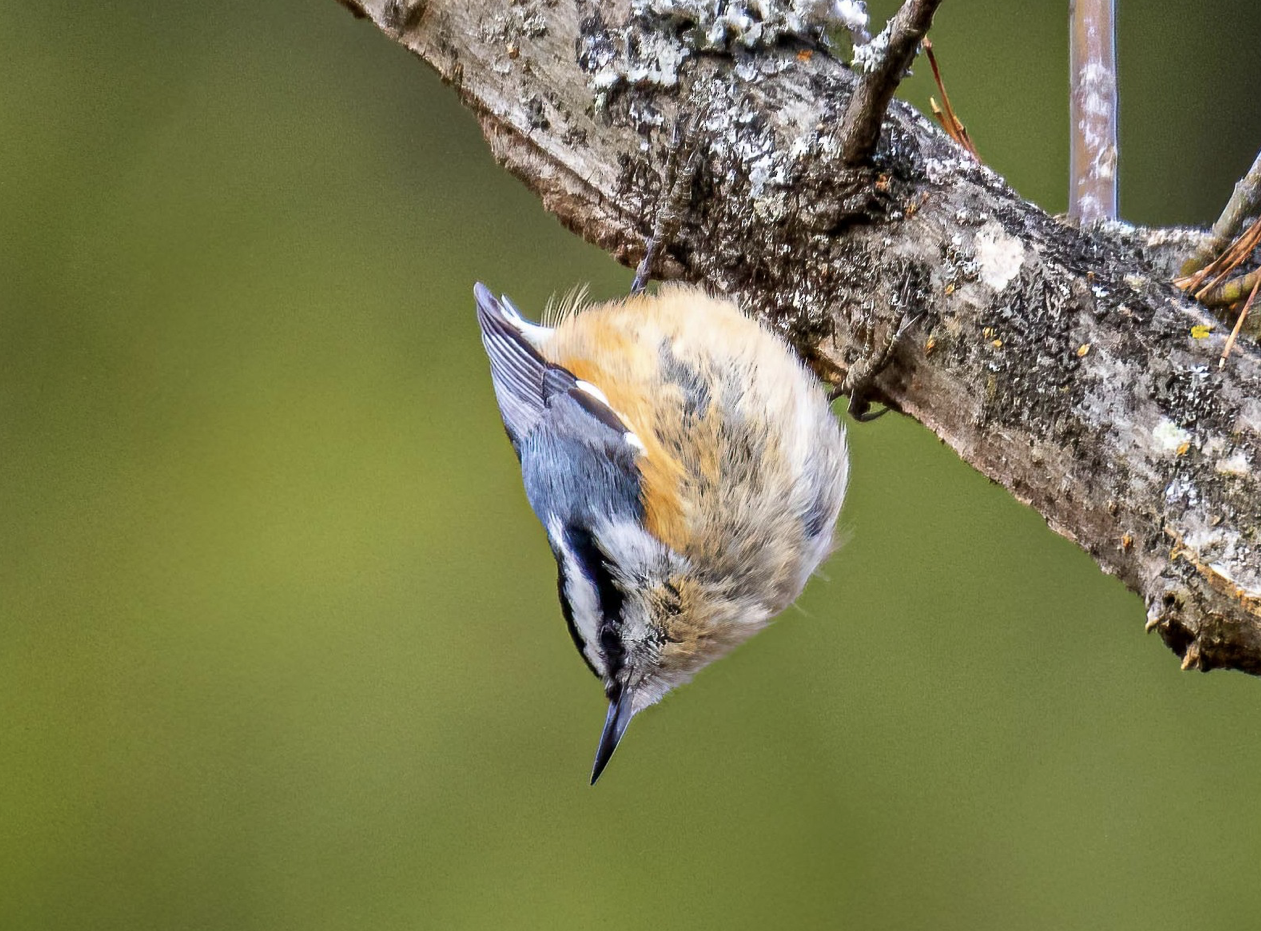
Tsegwelqíqne – Red-Breasted Nuthatch
The Tsegwelqíqne (Red-breasted Nuthatch) is known as a resilient, year-round resident of the coniferous forests in this area. It is known for its “yank-yank” call and its unique ability to climb down tree trunks headfirst.

Kikéyt – Red Tailed Hawk
The Kikéyt (red-tailed hawk) is a respected messenger and protector, as it has very sharp vision and awareness. It serves as a symbol of mindfulness and truth, representing the importance of staying observant within the community.

Spel̓qwéqs – Bald Eagle
The Spelq̓wéq̓s (bald eagle) is a sacred messenger to the Creator. It represents watchfulness and the responsibility to protect future generations. Eagle feathers are treated as high honours, symbolizing truth and spiritual power.
All Pictures from eBird
Sullivan, B.L., C.L. Wood, M.J. Iliff, R.E. Bonney, D. Fink, and S. Kelling. 2009. eBird: a citizen-based bird observation network in the biological sciences. Biological Conservation 142: 2282-2292.