
Native Plants
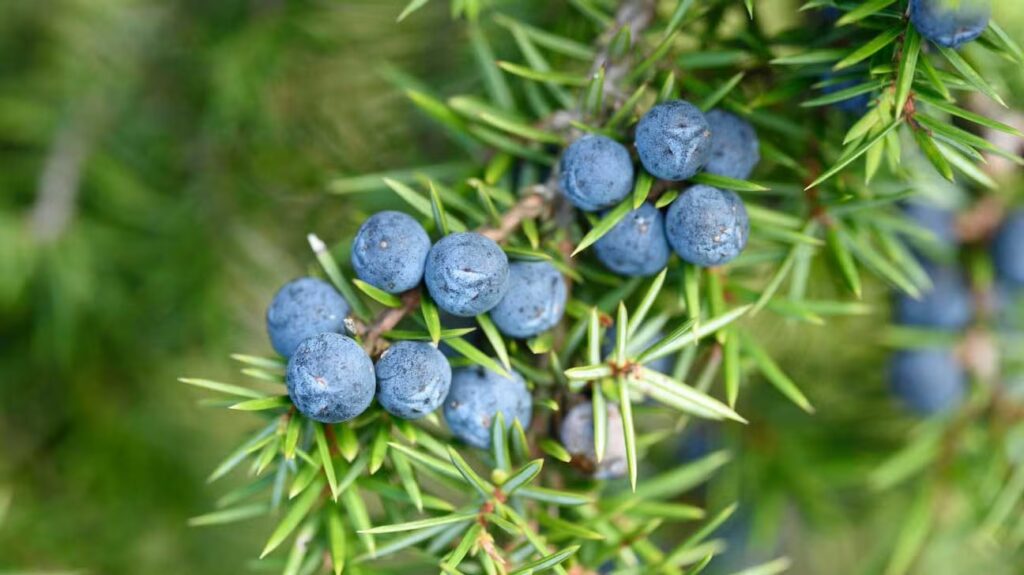
Punllp – Juniper
Punllp (Juniper) is used as a medicine to treat colds by boiling its berries, needles, or branches into medicinal teas and steams to clear congestion and soothe coughs. It can also be boiled and used as a wash for the body. Punllp is spiritually significant, often used for cleansing and protection. Additionally, the berries can be utilized to make gin.
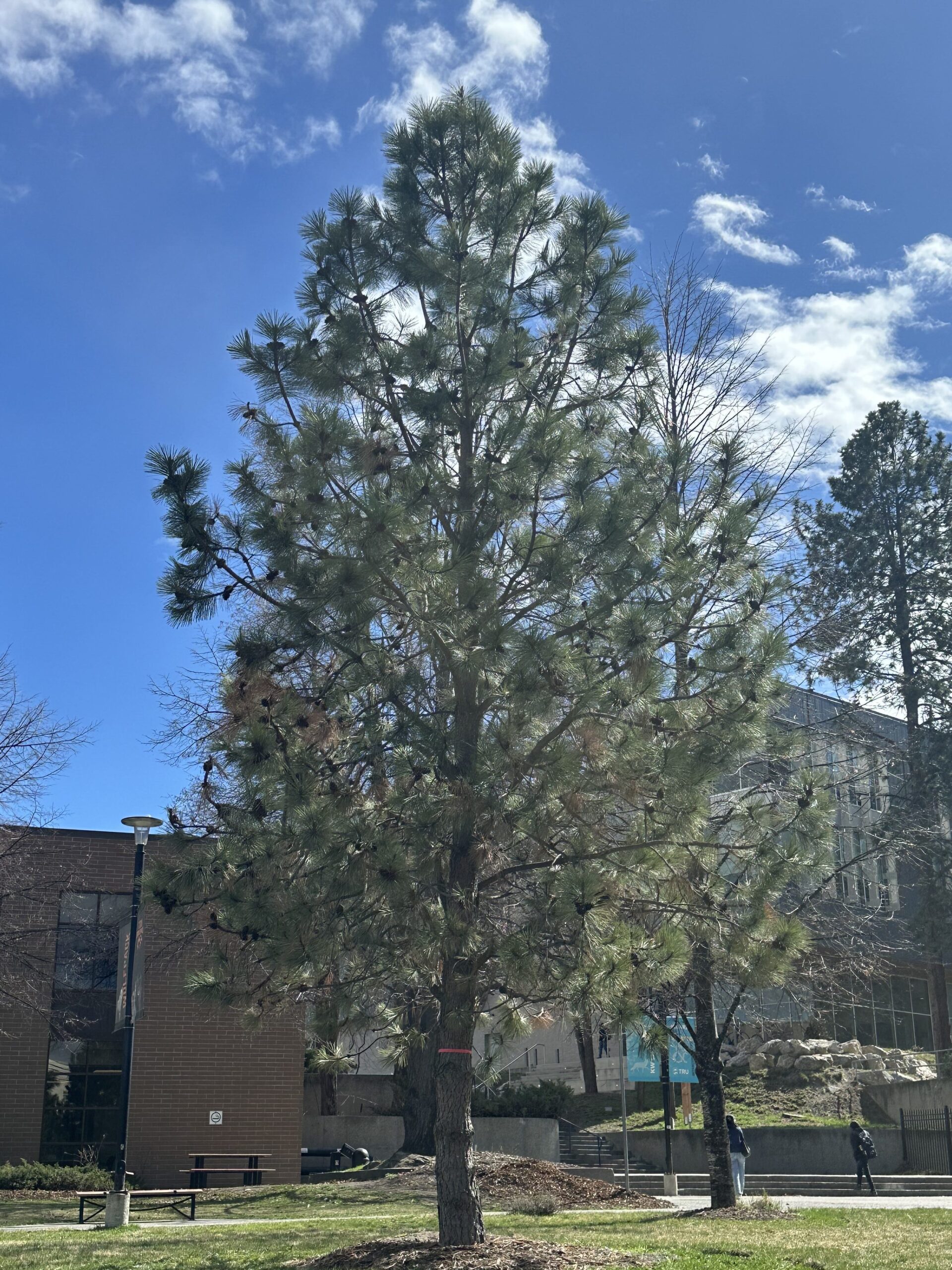
S7etqwllp – Ponderosa Pine
The long needles of the S7etqwllp (Ponderosa Pine), which grow in bundles of three, are perfect for basket weaving.
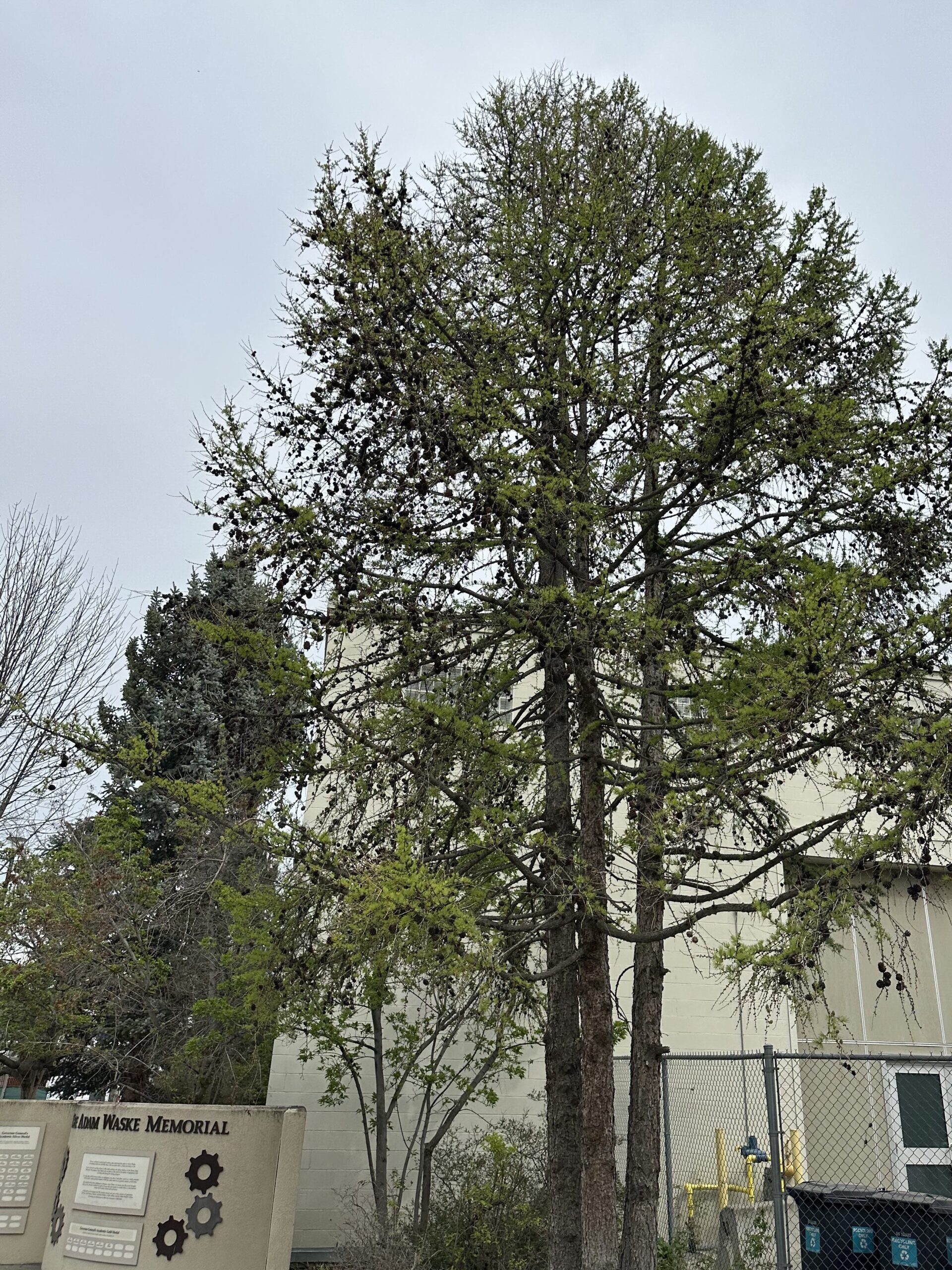
Tsíqweltcw – Western Larch
The Tsíqweltcw (Western Larch) is used to treat respiratory, digestive, and even skin issues. Teas made from its bark and needles soothe coughs and colds, while the sticky resin acts as a natural antiseptic bandage for wounds. Its high Vitamin C content and healing properties also make it a powerful tonic for boosting the immune system and relieving joint pain.
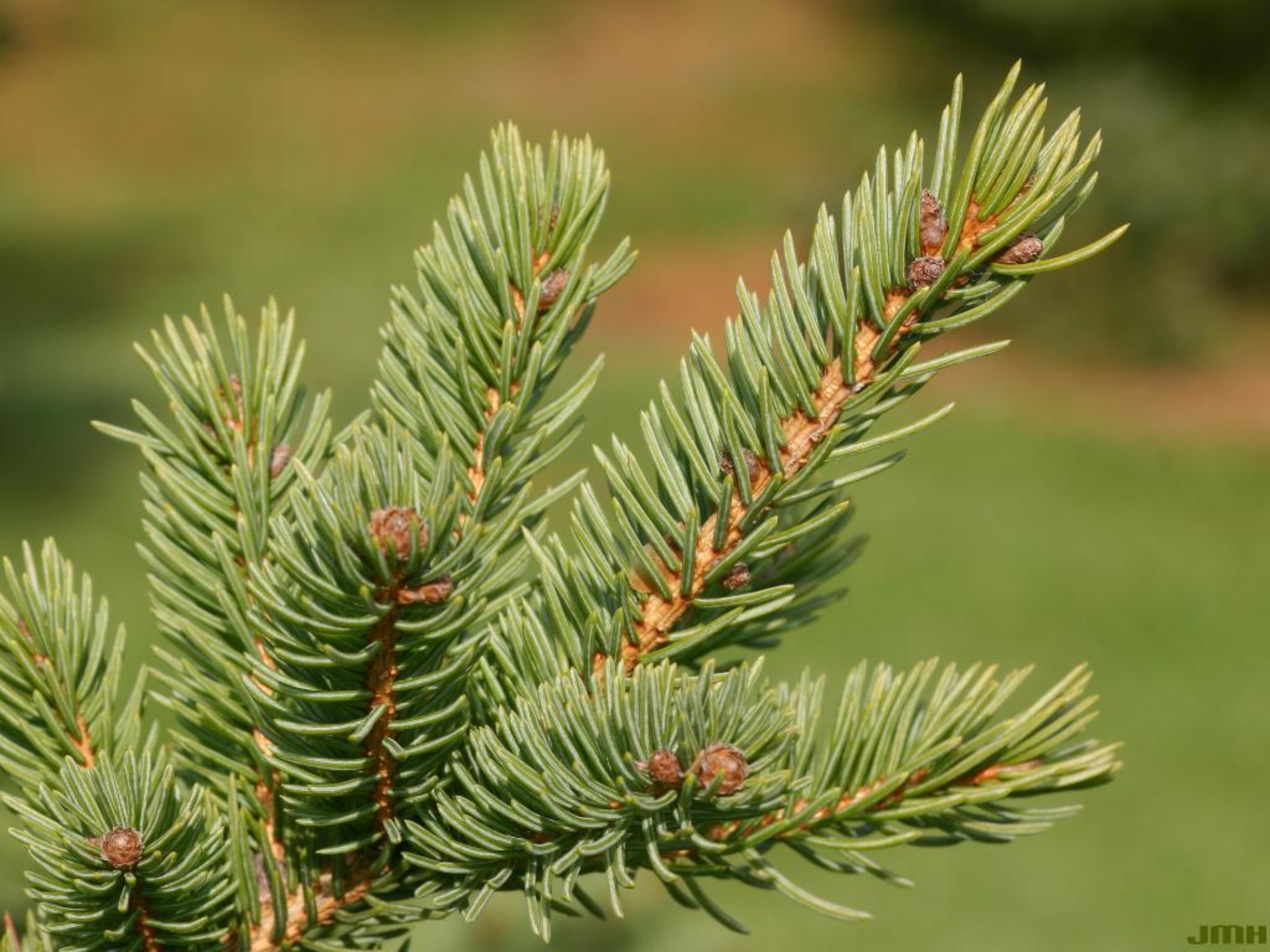
T̓.sellp – Spruce
The T̓.sellp (Spruce), is a non‑native species, it is just used for comparison. In some Indigenous communities, branches and pinecones were placed around pit‑house entrances to help keep out rodents and other small animals. The branches could discourage pests from approaching or squeezing through gaps, protecting stored food and bedding using simple, locally available materials.
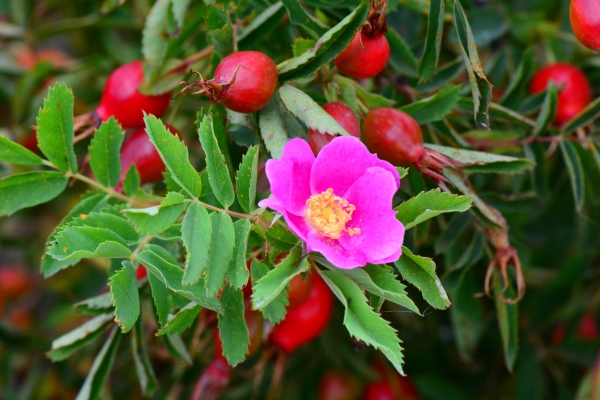
Sk̓eplénllp – Rose Bush
The bulbs of the Sk̓eplénllp (Rose Bush) are edible and are traditionally eaten after the first frost, when their flavour is said to be at its best. The branches can be boiled to be used as a smudge, and also sprayed on the feet after visiting a graveyard as a form of spiritual or ceremonial cleansing.
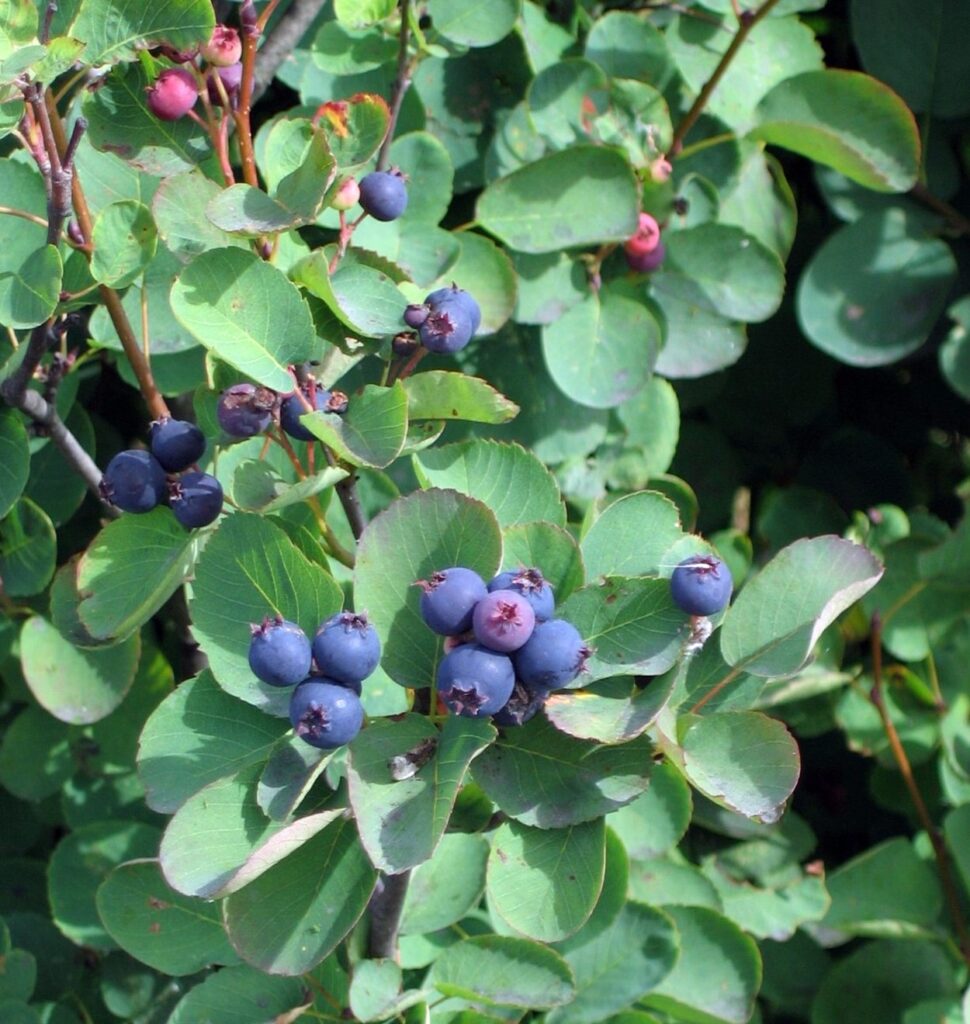
Speqpqéllp – Saskatoon
Speqpqéllp (Saskatoon bushes) have different names in each region where they grow. They were commonly made into a jelly-like fruit leather, which preserved the berries for later use and provided a portable, nutrient-rich food source.
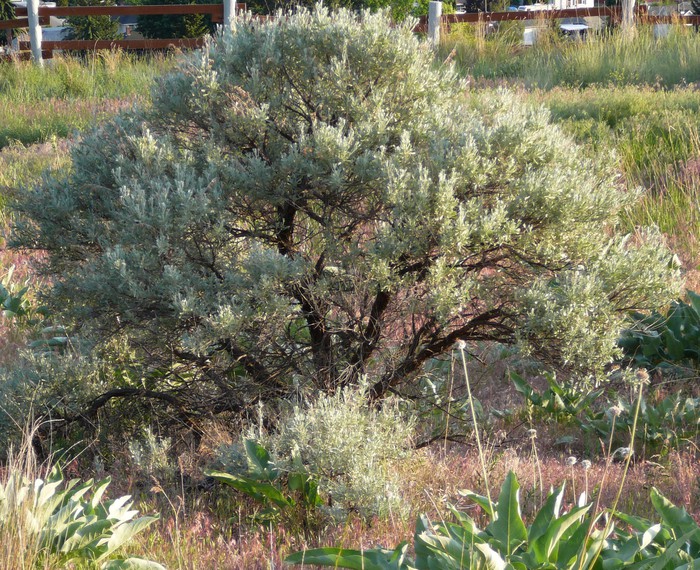
Kéwku – Sage Bush
Beyond its role in traditional smudging ceremonies to cleanse negative energy, Kéwku (sage) serves as a versatile tool for spiritual, physical, and emotional healing. It is deeply integrated into ceremonial practices while its medicinal applications range from digestive teas and soothing poultices for aches to antiseptic baths.
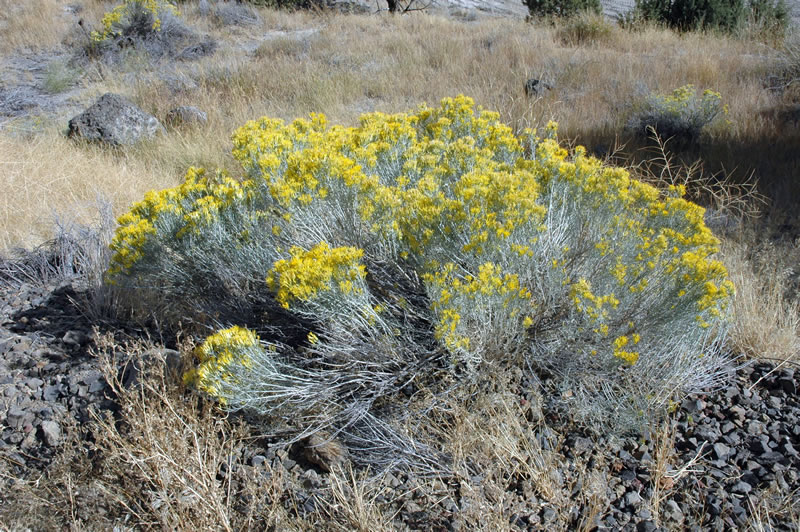
Tseptsepqenéllp – Rabbit’s Brush
Commonly used as a ceremonial medicine, Tseptsepqenéllp (rabbit’s brush) is also utilized to craft medicinal teas and syrups for respiratory relief, produce vibrant yellow dyes, and harvest sap for making chewing gum.
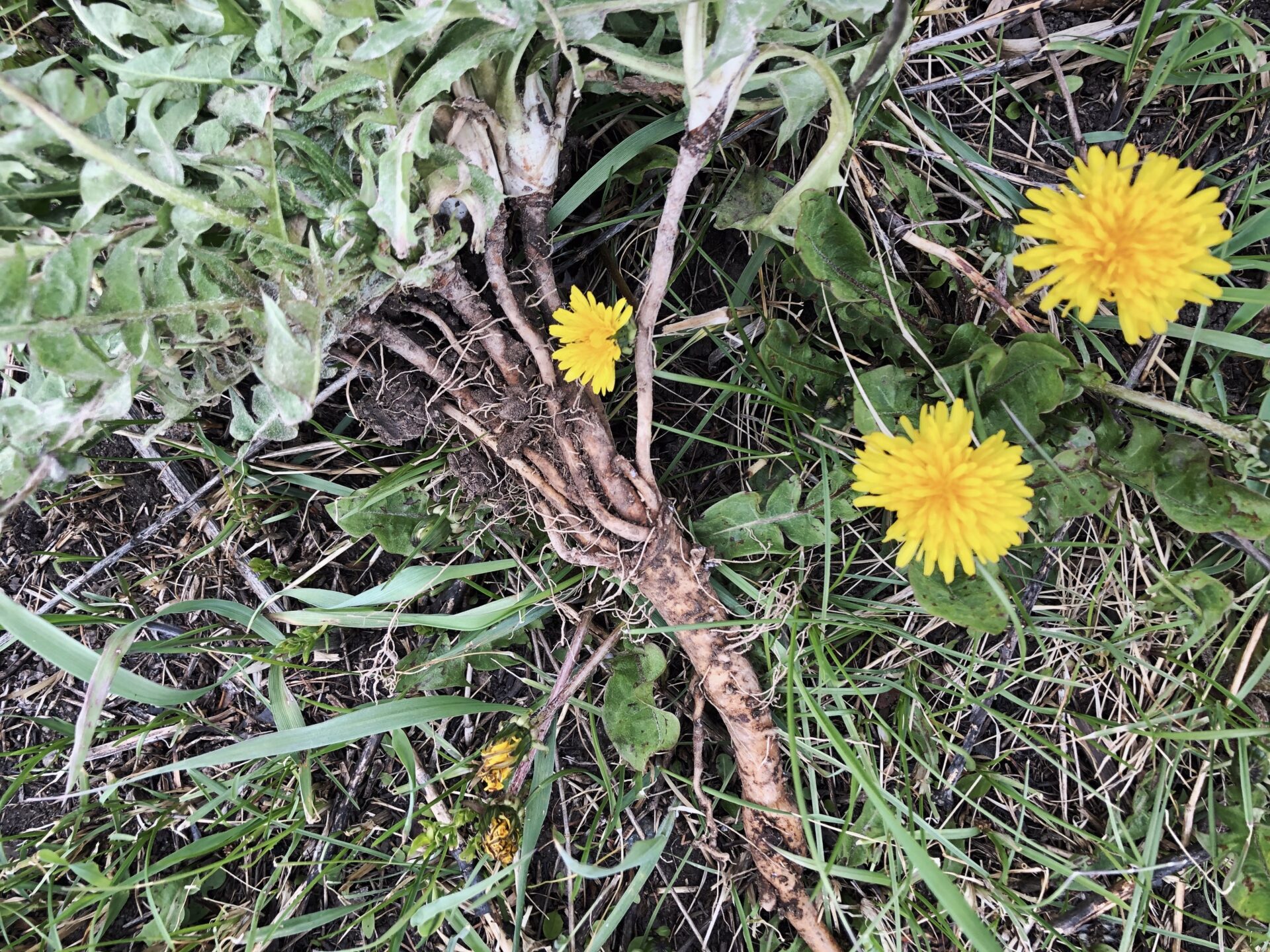
Kwelkwelqíqen – Dandelion
The roots of this bright, sunny flower cleanse the kidneys. The tender green leaves are considered a delicacy in salads, and the roots are roasted and sold as a coffee substitute.
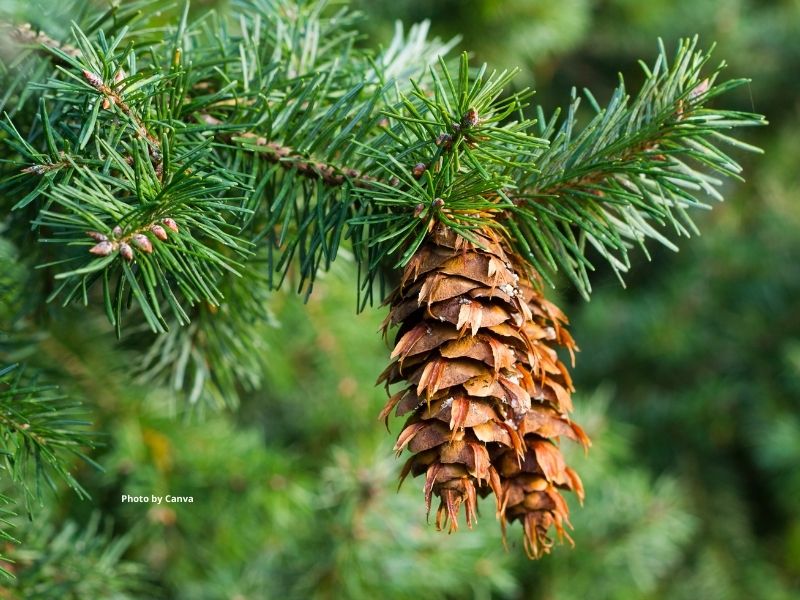
Tsq’ellp – Douglas Fir
This tree provides strong shelter if you need to build a lean-to out in the woods. The seeds were eaten, and the sap was chewed.
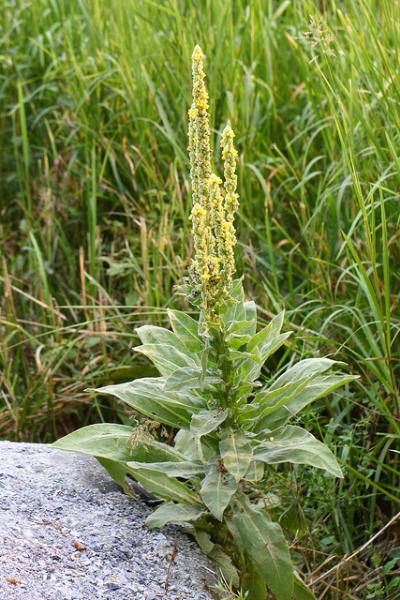
Spúlecw- Great Mullen
This plant would be used if you were outdoors and you had to wipe your bottom, Indian Toilet Paper! It was also used for baby diapers and other absorbent personal care products.
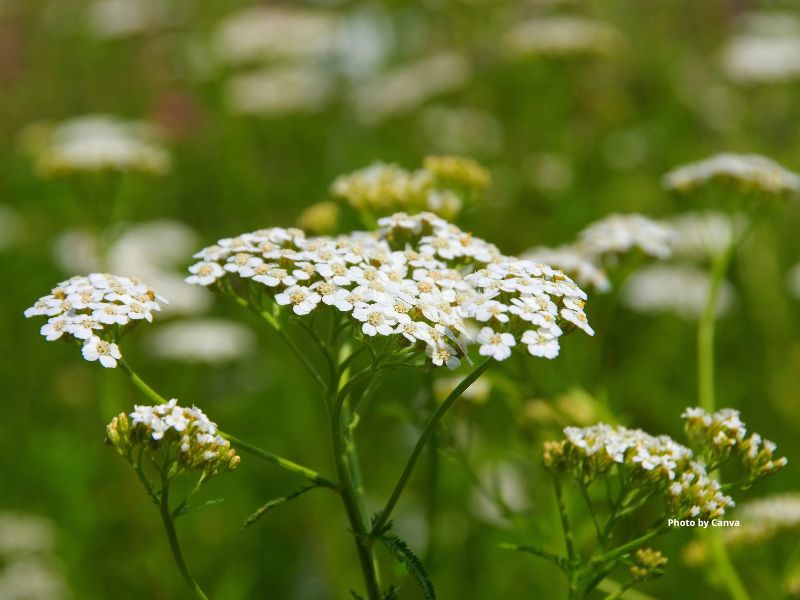
Qets’uye7éllp – Yarrow
This plant, when its seeds were ground down, was how flour was made years ago.
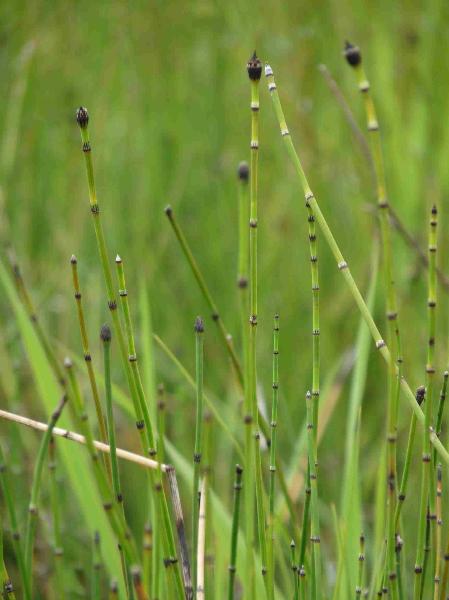
Xwixwyúy’sten’ – Horsetail
This plant would be used if you were outdoors and you had to wipe your bottom, Indian Toilet Paper! It was also used for baby diapers and other absorbent personal care products.
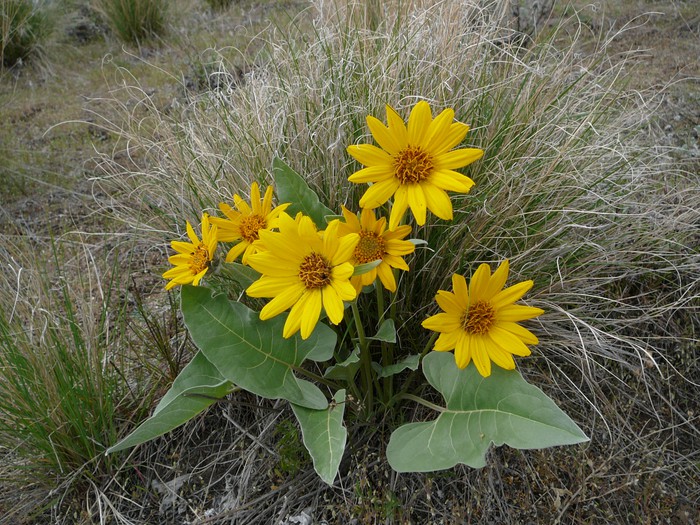
Tséts’elq – Arrow Leafed Balsam Root
This plant, when its seeds were ground down, was how flour was made years ago.
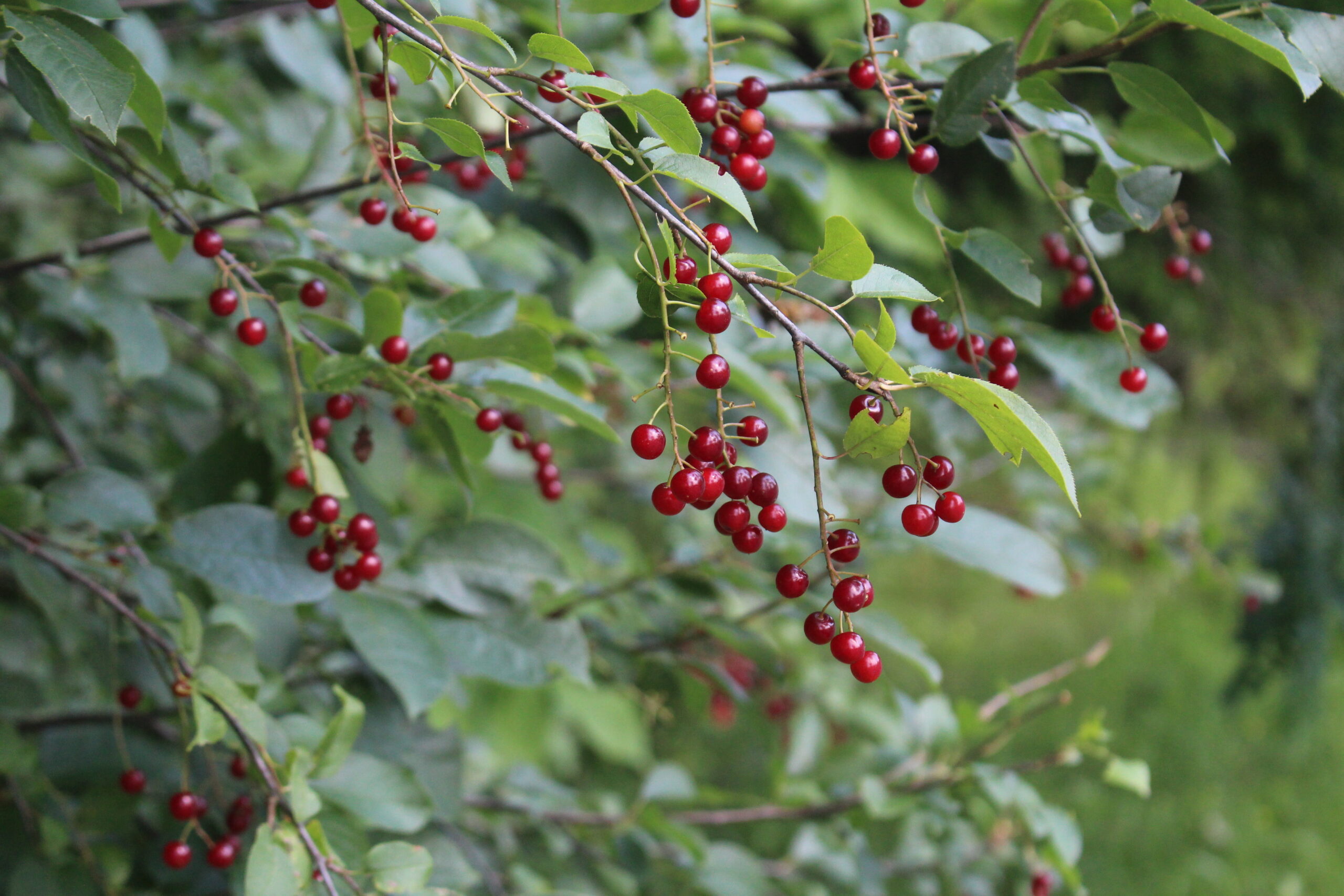
Tekwló7se7 – Choke Cherry
This plant produces a fruit which gives a “choking” sensation when eaten. The juice was used to gain strength after illness.
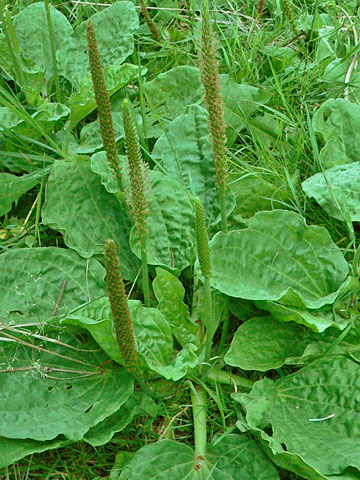
Slleq’wqenéllp – Plantain
This stringy lawn and yard “weed” was used to make many different types of ointments for open wounds. A leaf from this plant will protect your tender foot from blisters.
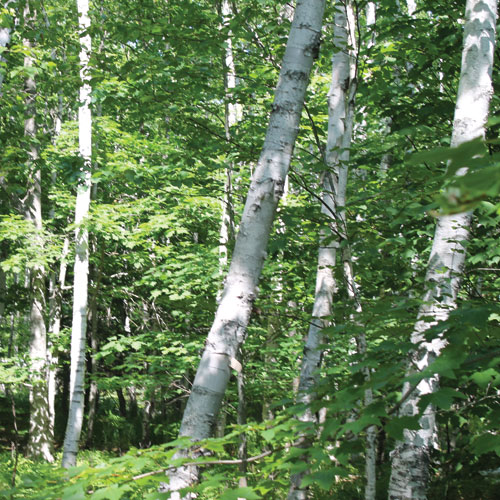
Qwllin – Paper Birch
The bark of this tree was skillfully removed and made into baskets. Soap and shampoo were made from birch leaves.