Kukstsémc – Thank You!
Personal Testimonial
Weyt-k, my name is Eboni Samaha, and I was hired as a research assistant for this self-guided tour as part of the Coyote Project. I recently graduated from high school in Kamloops and have just completed my first year of the Natural Resource Management program at Thompson Rivers University. I am from Cook’s Ferry Indian Band in Spences Bridge, part of the Nlaka’pamux Nation. I really appreciated the opportunity to work on this project, and I learned a great deal throughout the process. It was especially meaningful to explore the artwork and sculptures that have been integrated across the TRU campus, and I enjoyed taking time between classes to discover them. It was also very important to me to learn the Secwépemctsín names for the plants and animals included in this project, as I believe it is essential that this language is shared and preserved. Prior to this experience, I had very limited website-building skills, and I now have a much stronger understanding of how to develop and design a website. Overall, I have grown significantly through this project, both personally and professionally, and I am very grateful for the guidance and support of the many people who helped me along the way.

Eboni Samaha
DEVELOper and ReSEARCH ASSISTANT
1st Year Natural Resource Science Student
Cook’s Ferry Indian Band, Nlaka’pamux Nation
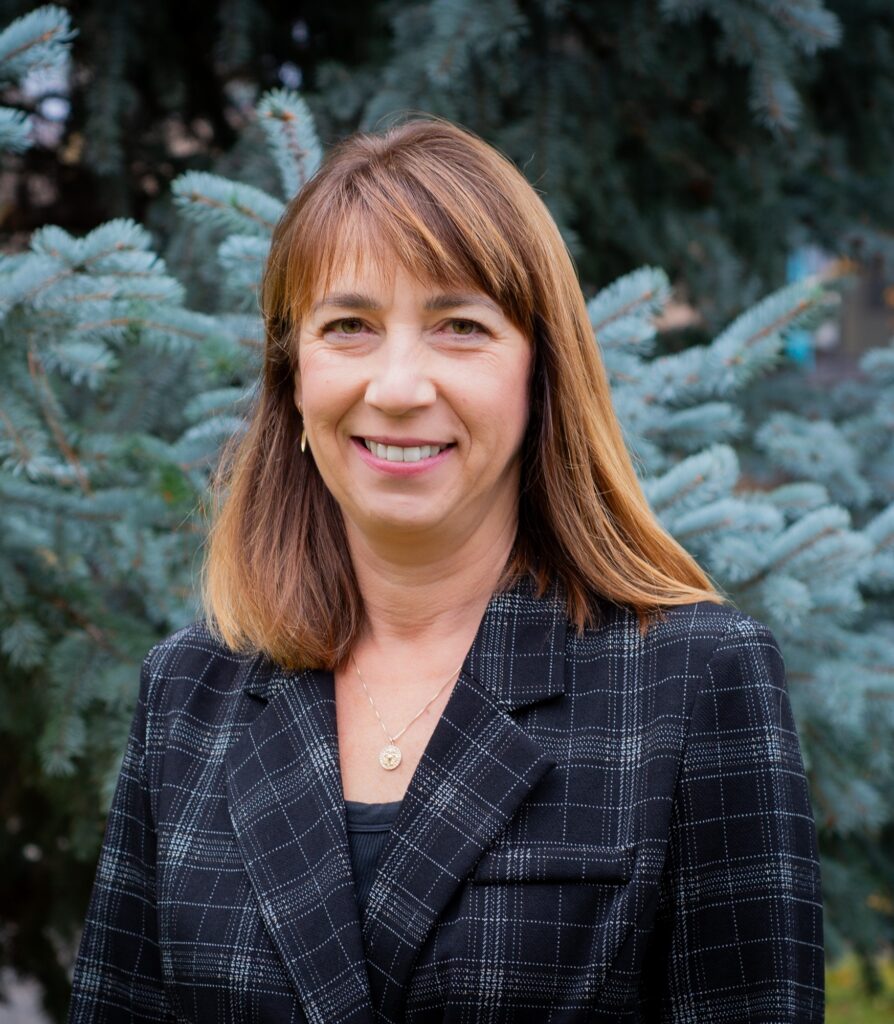
Leanne Mihalicz
Co-op Coordinator
Applied for the Coyote funds and guided this project.
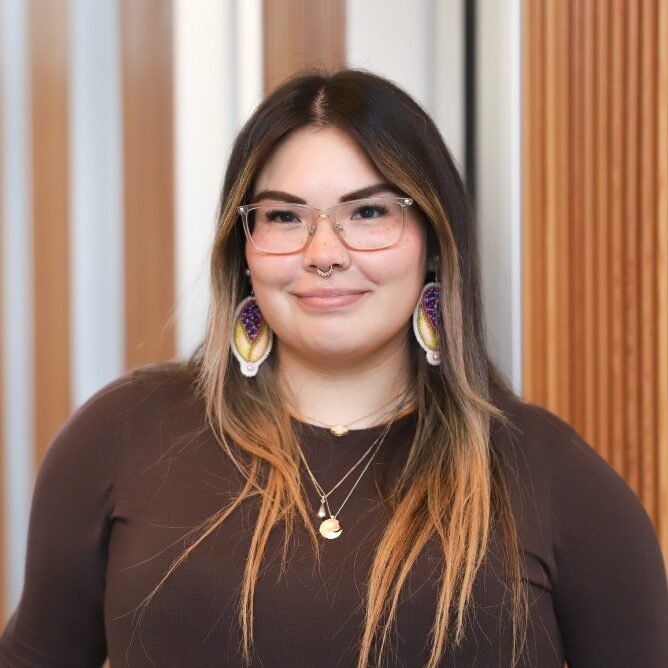
Alexis Gottfriedson
Consultant
Recorded audio for plants and animals
Website Revisions Medicinal Plant Information
Tk’emlúps te Secwépemc

Sharon Gottfriedson
Consultant
Website revisions.
Associate Director of The Office of Indigenous Education
Tk’emlúps te Secwépemc
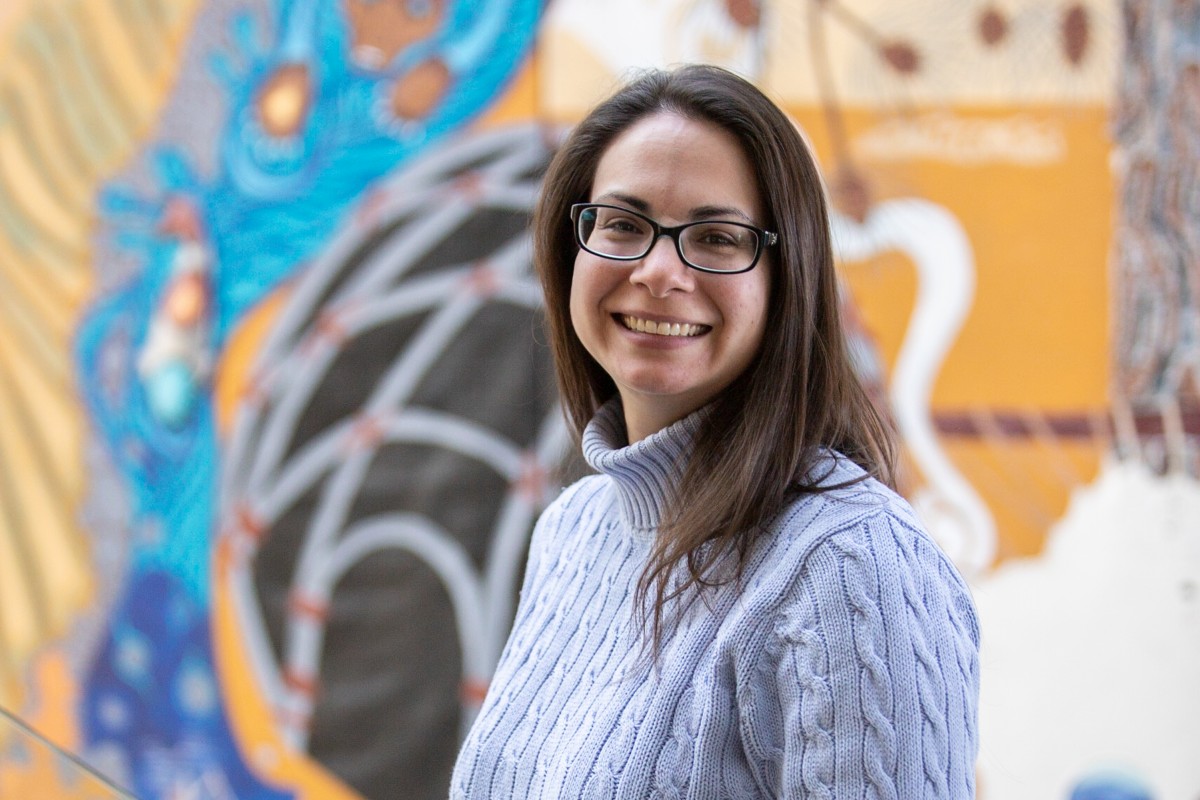
Marie Sandy
Consultant
Led the campus tour, and provided list of plants on campus.
T’éxelc area of Secwepemcúl’ecw (Williams Lake)

Jose Contreras Antequera
Learning Technologist Co-op
Website and Map Design
4th Year Software Engineering Co-op Student
Related Departments
Indigenous Education
The Office of Indigenous Education reports to the Provost and Vice-President Academic and works with faculties and departments to support Indigenization across campus. This includes integrating TRC Calls to Action and UNDRIP into courses and programs. The office also connects the university with Indigenous communities for research and collaboration, while supporting Indigenous students, employees, and communities.
This image shows Sek̓lép (Creator, Trickster, teacher) on his educational journey at TRU. This image is synonymous with indigenization and represents working in partnership and supporting one another.
Career and Experiential Learning
Career & Experiential Learning provides opportunities for TRU students and alumni to explore their career potential through real world experiences, providing education to enhance personal and professional skills for career success.

Learning Technology and Innovation (LT&I)
TRU’s Learning Technology & Innovation (LT&I) team strives to provide learner-centered, sustainable technology tools and support for TRU’s diverse community.